Tag: hiking

  • Tamerza (Tamaghza): A guide to Tunisia’s very own Grand Canyon oasis

    Tamerza (Tamaghza): A guide to Tunisia’s very own Grand Canyon oasis


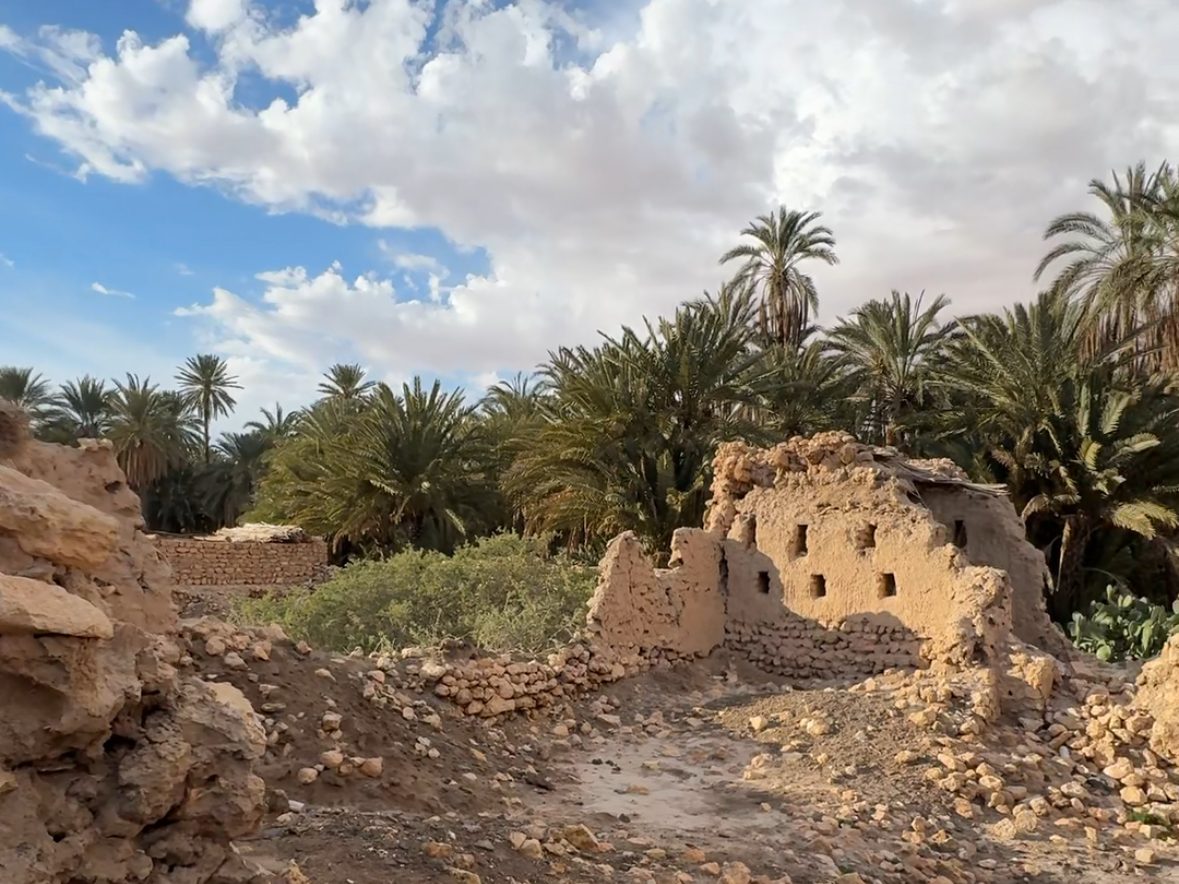
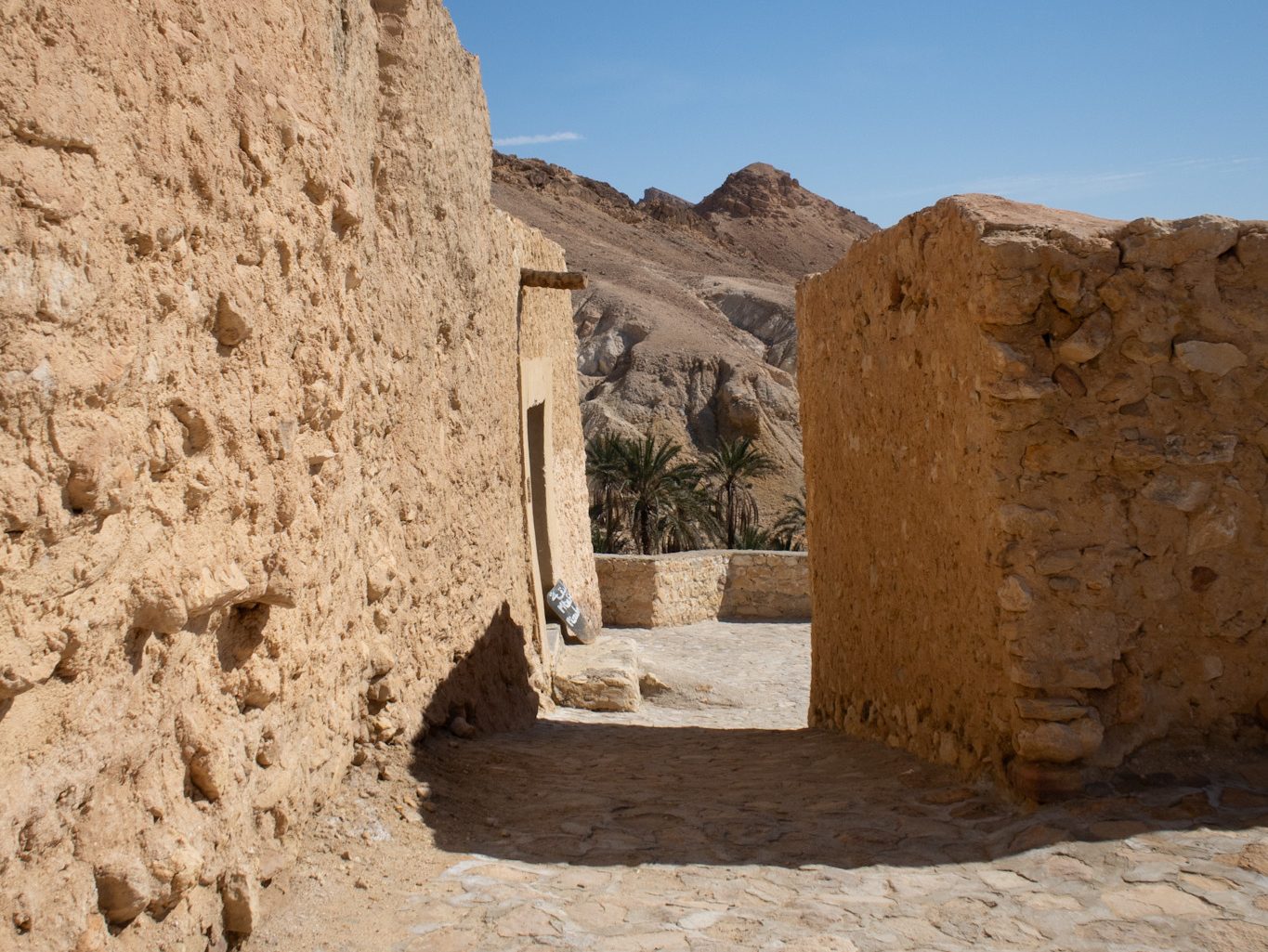
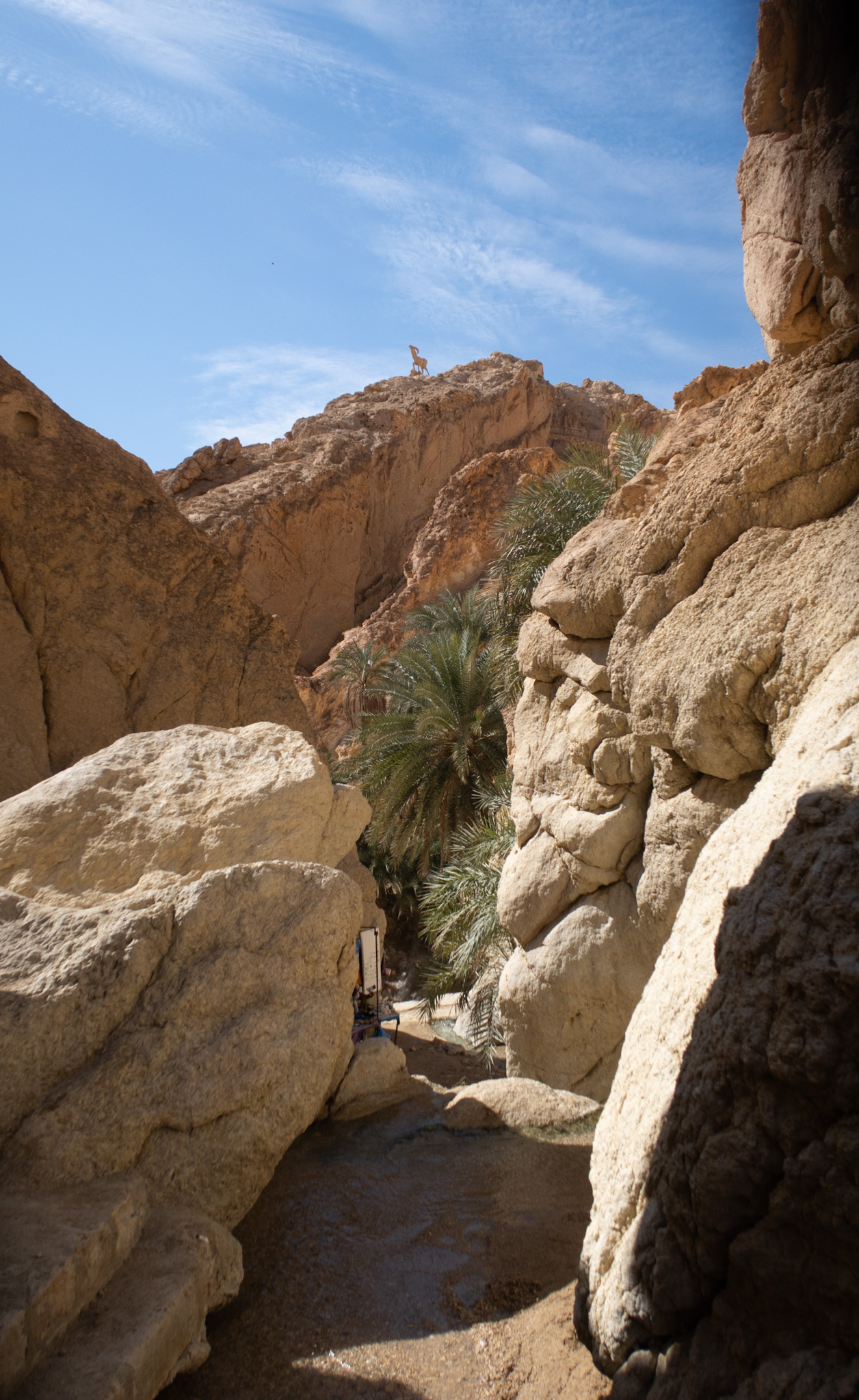
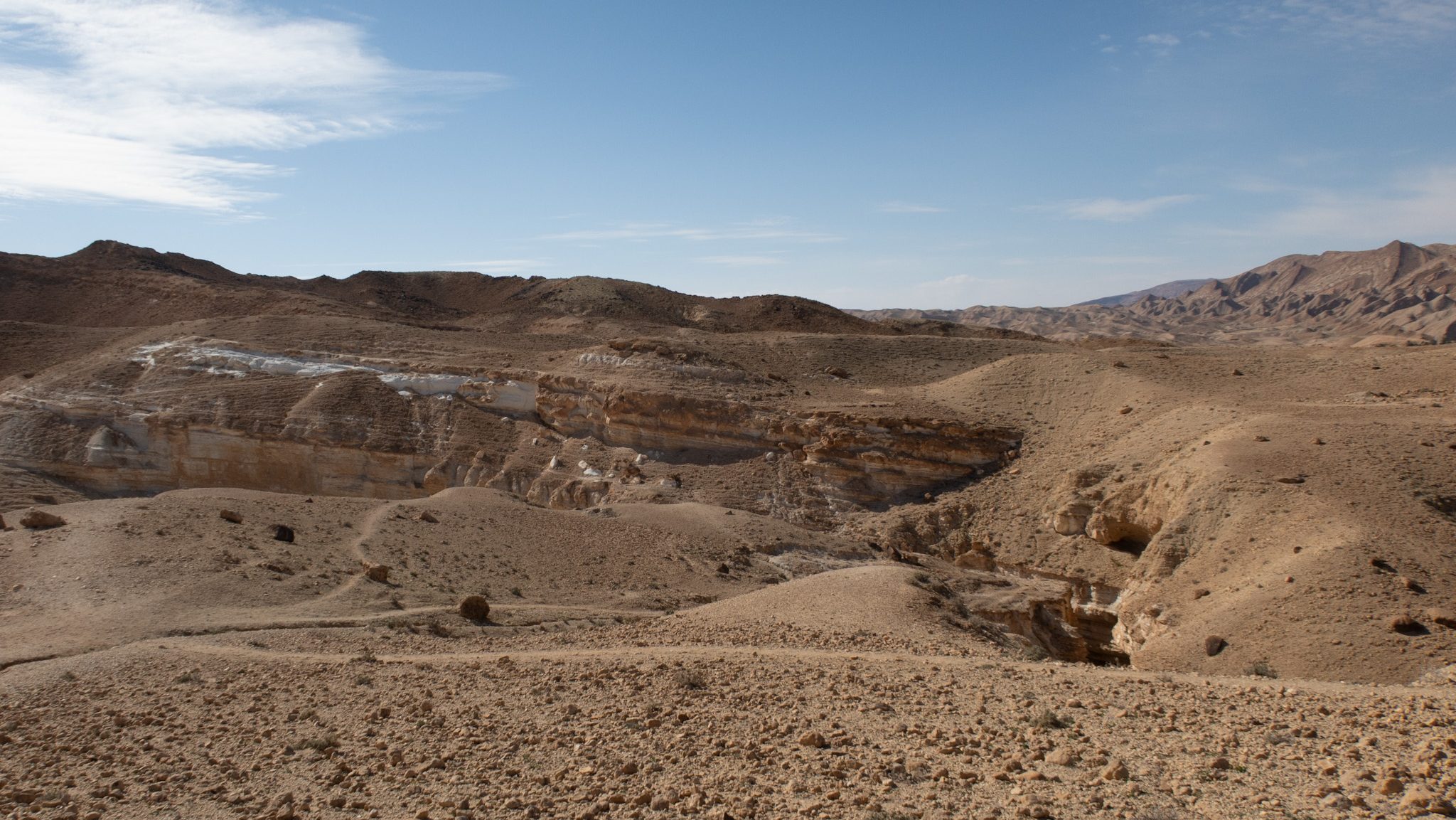
    As Tunisia’s largest mountain oasis, Tamerza (also known as Tamaghza) features a dramatic landscape of canyons and waterfalls. It sits near the smaller oasis of Chebika and once served as the Roman outpost of Ad Turres.

    Travelers exploring Tunisia’s western desert enjoy Tamerza for its epic hikes and views and usually pair it with the Chebika Oasis and Mides Canyon (also known as the “Three Desert Oases Tour”).

    For Americans reading this, it truly resembles a Grand Canyon experience (with a unique Tunisian oasis twist, of course!)
    What’s up with the two names?

    You’ll see the location be referred to as both “Tamerza” and “Tamaghza.” Both names point to the same place, but “Tamaghza” ties more closely to its indigenous roots.

    Maps and general tourism mostly use the name Tamerza today, while Tamaghza reflects the original Amazigh (Berber) pronunciation and honors the village’s Amazigh heritage. Thus, from now on, I’ll use the name Tamaghza, as I believe it’s more fitting.

    What makes Tamaghza special?

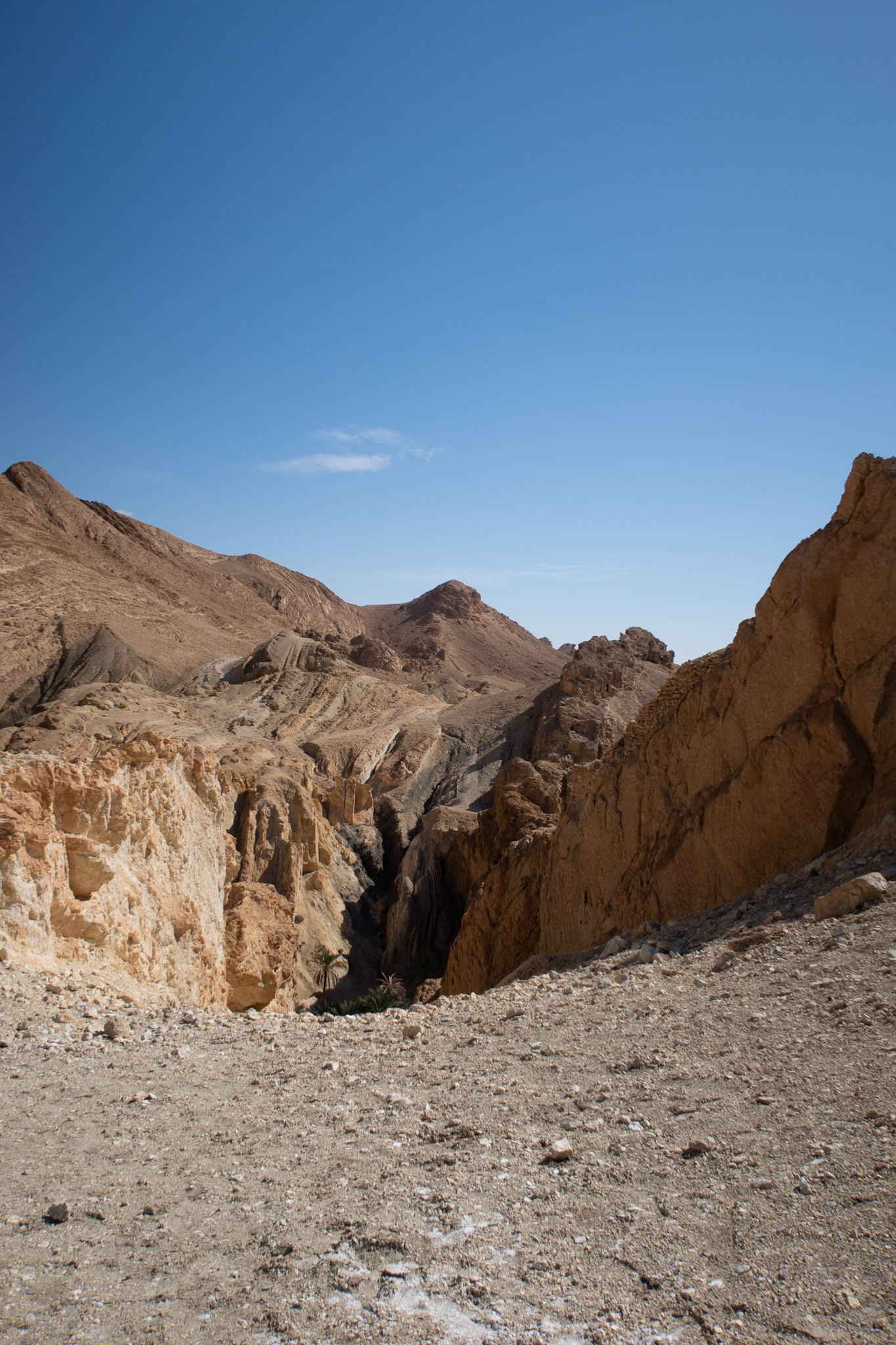
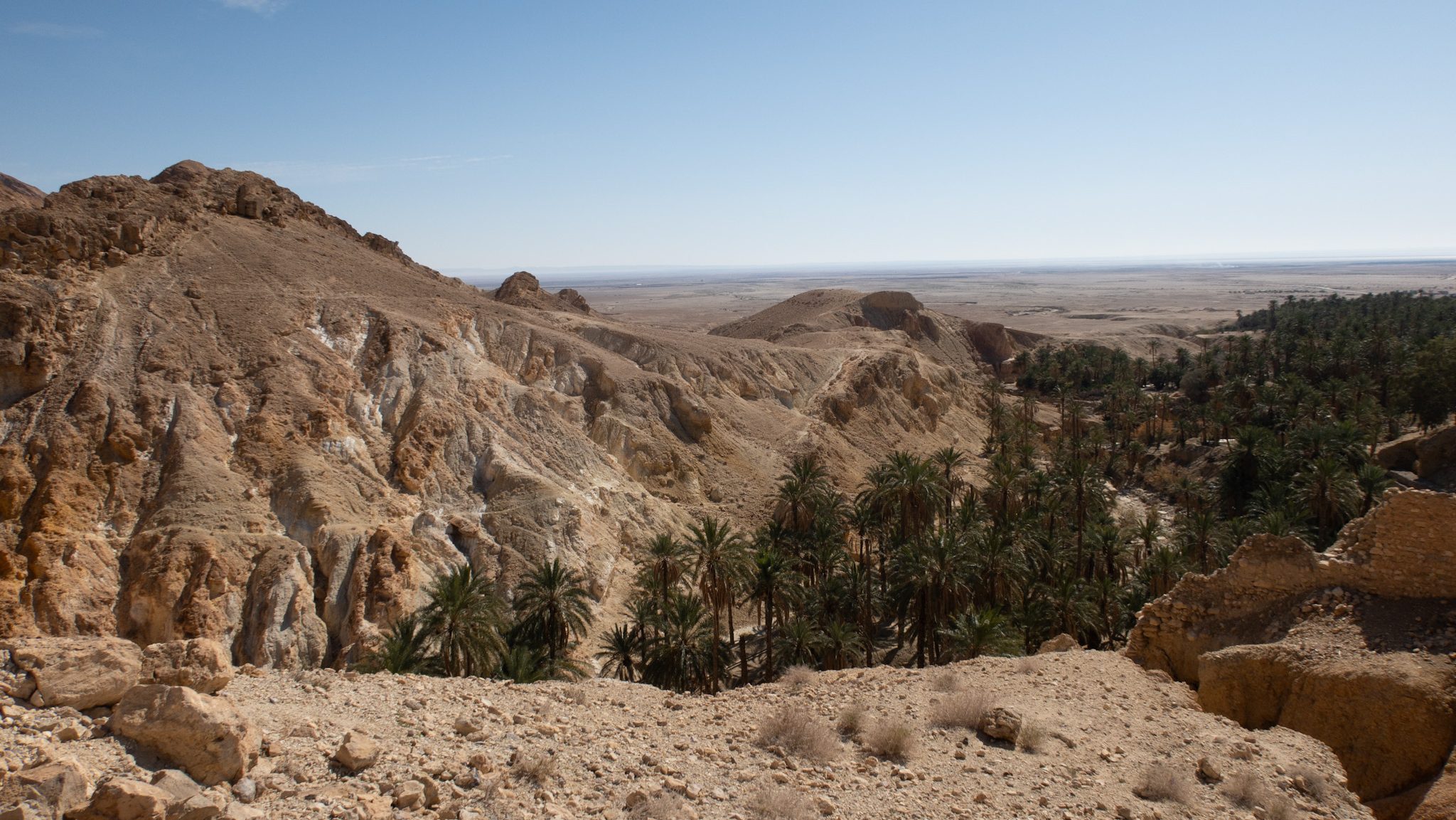
    Tamaghza stands out because of its grand, sprawling canyon landscape, which is what earns its fitting nickname as Tunisia’s “Grand Canyon.”

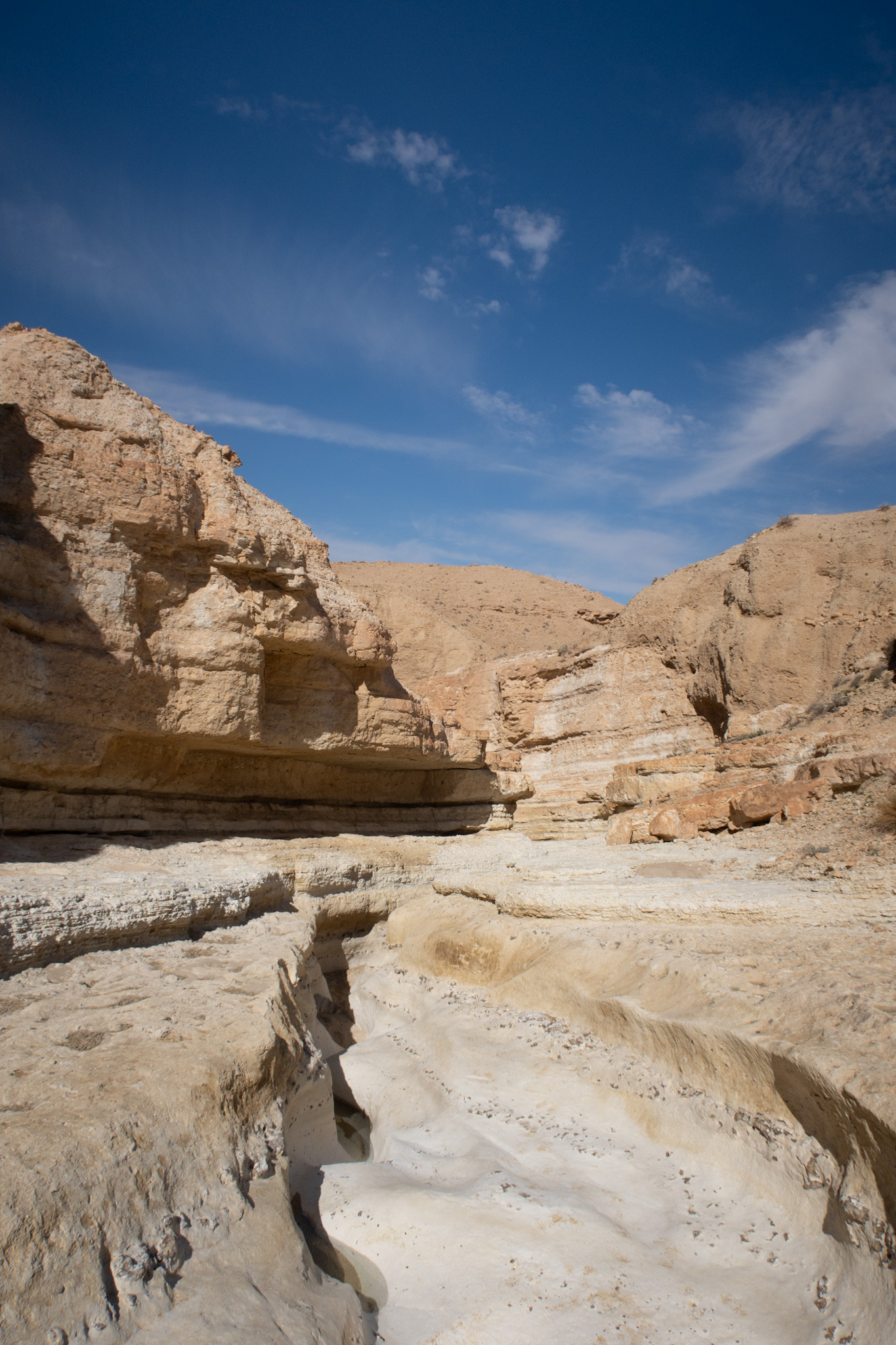
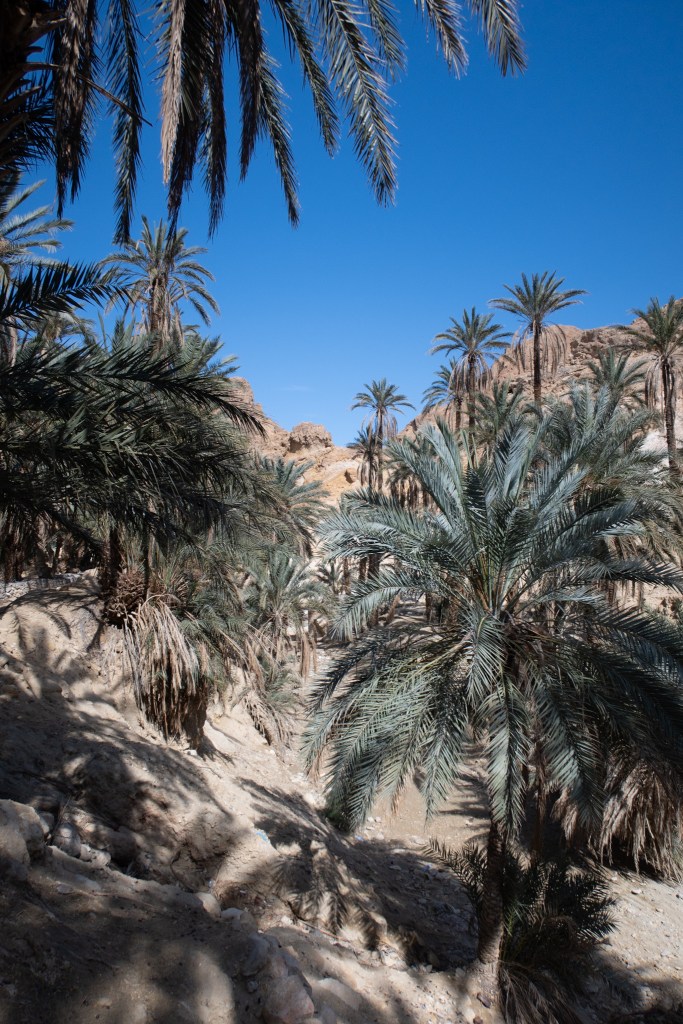
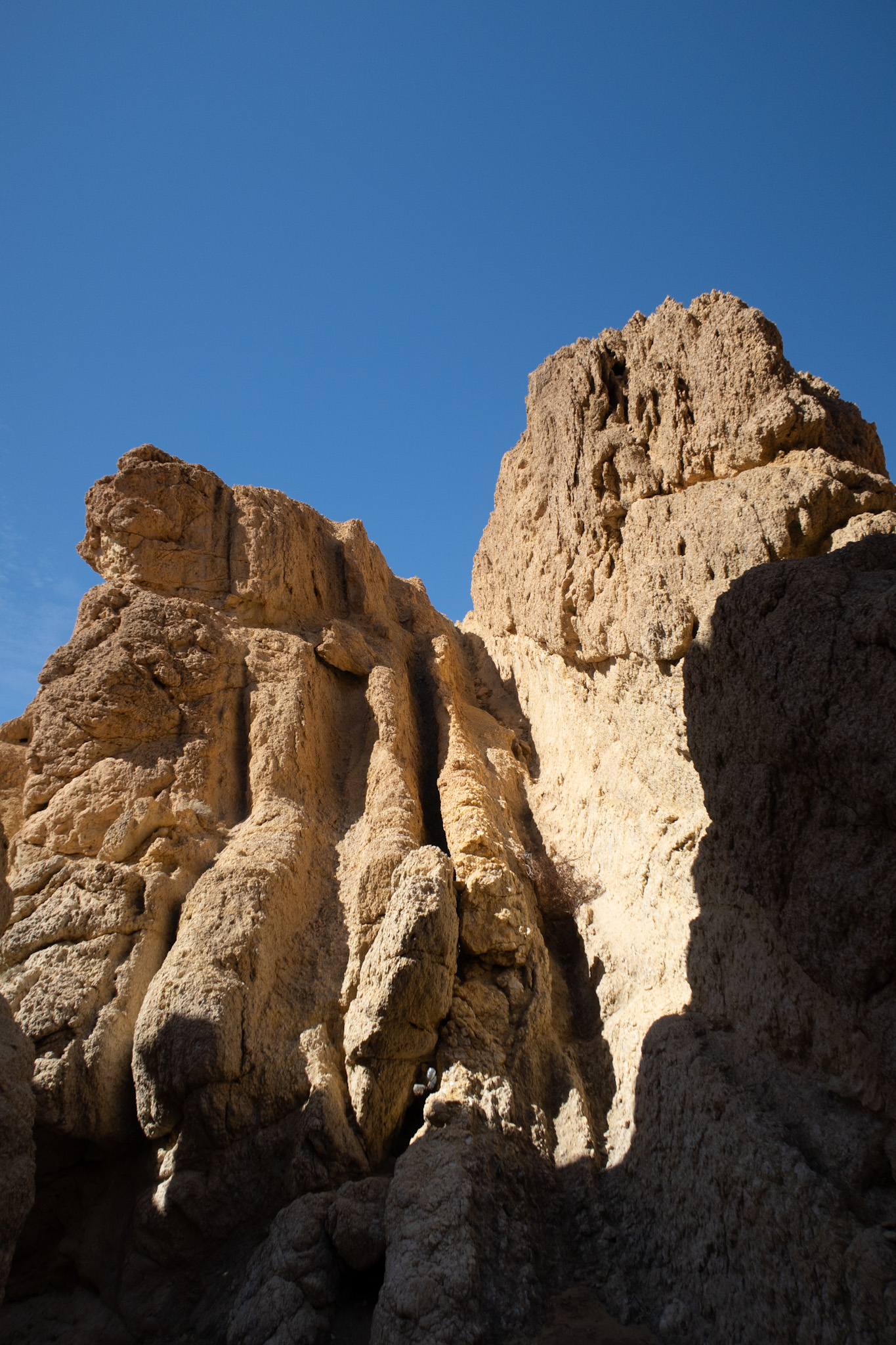
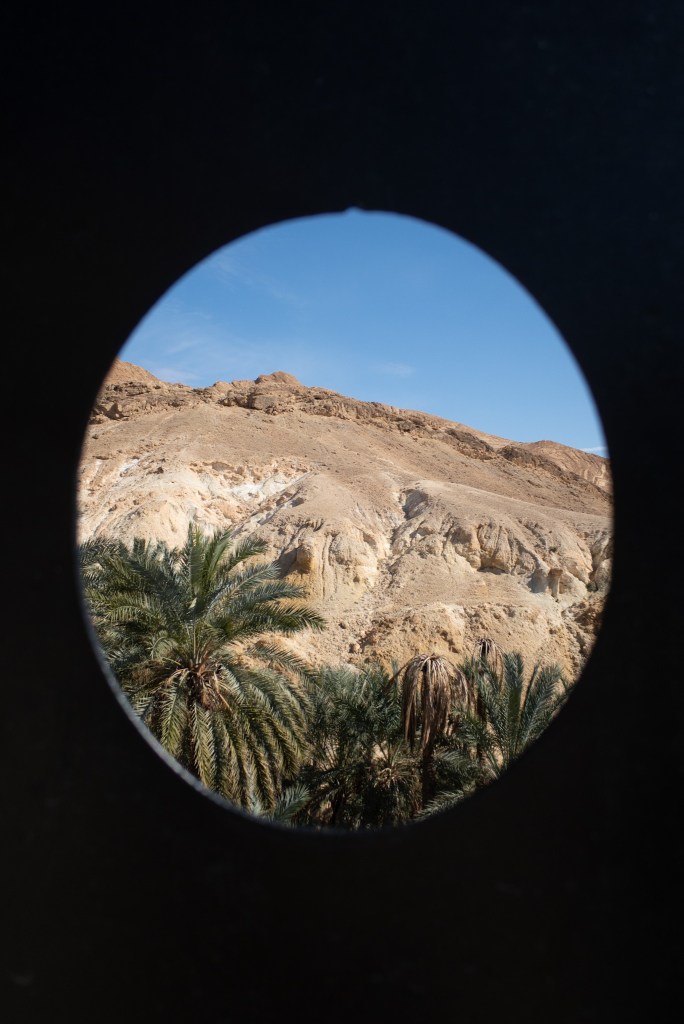
    The red and white layers of rock contrast with palm trees growing beside the barren terrain, giving the place a distinctly Tunisian character.
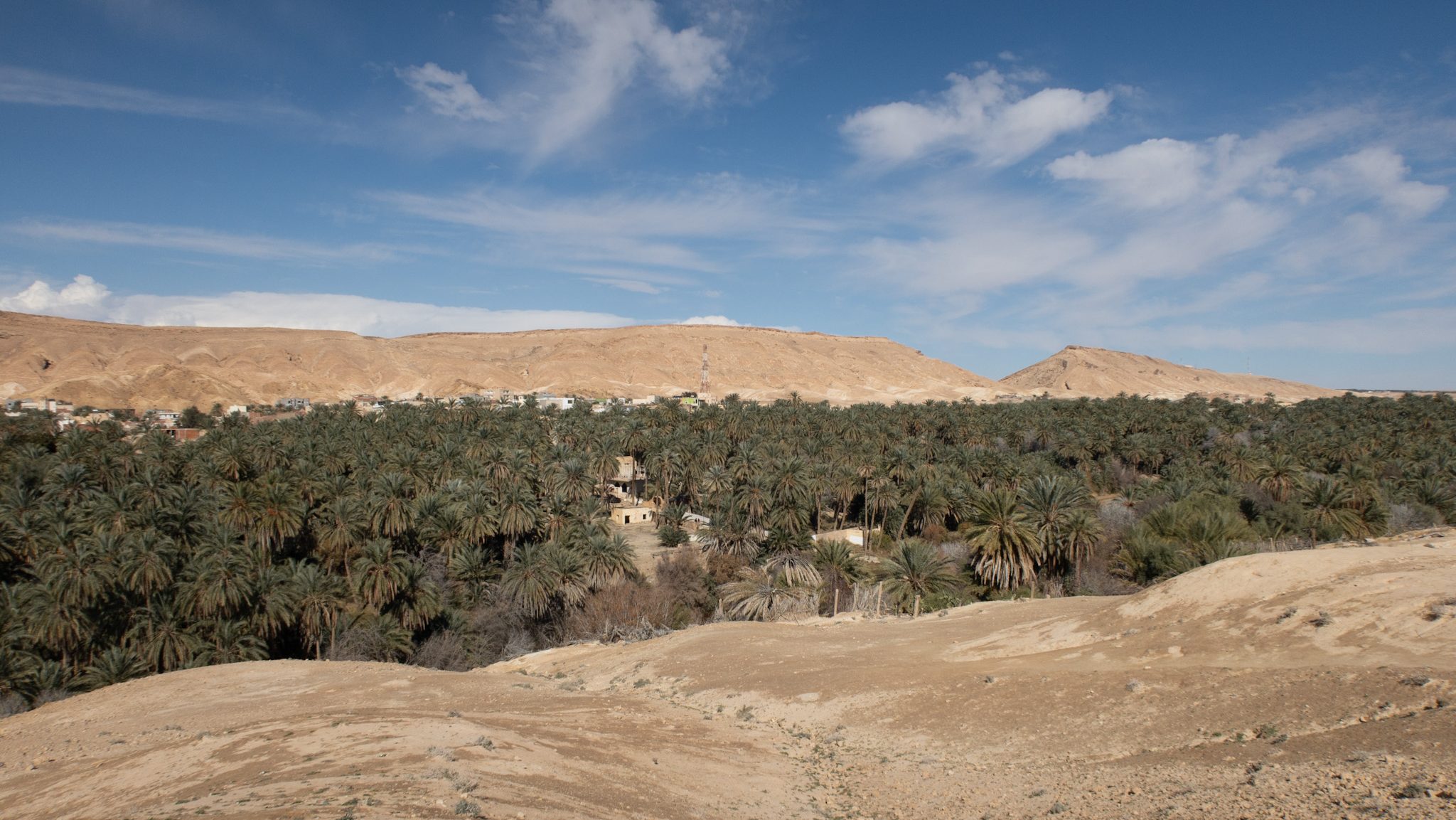
    The main canyon is the heart of Tamaghza. You can walk along the edge of the canyon to take in its undeniably spectacular panoramic views, or you can hike down into the canyon to follow the riverbed. For those looking for something active, take on multiple hiking trails. The location offers easy walks to more challenging routes!
    Know before you go to Tamaghza (Tamerza)
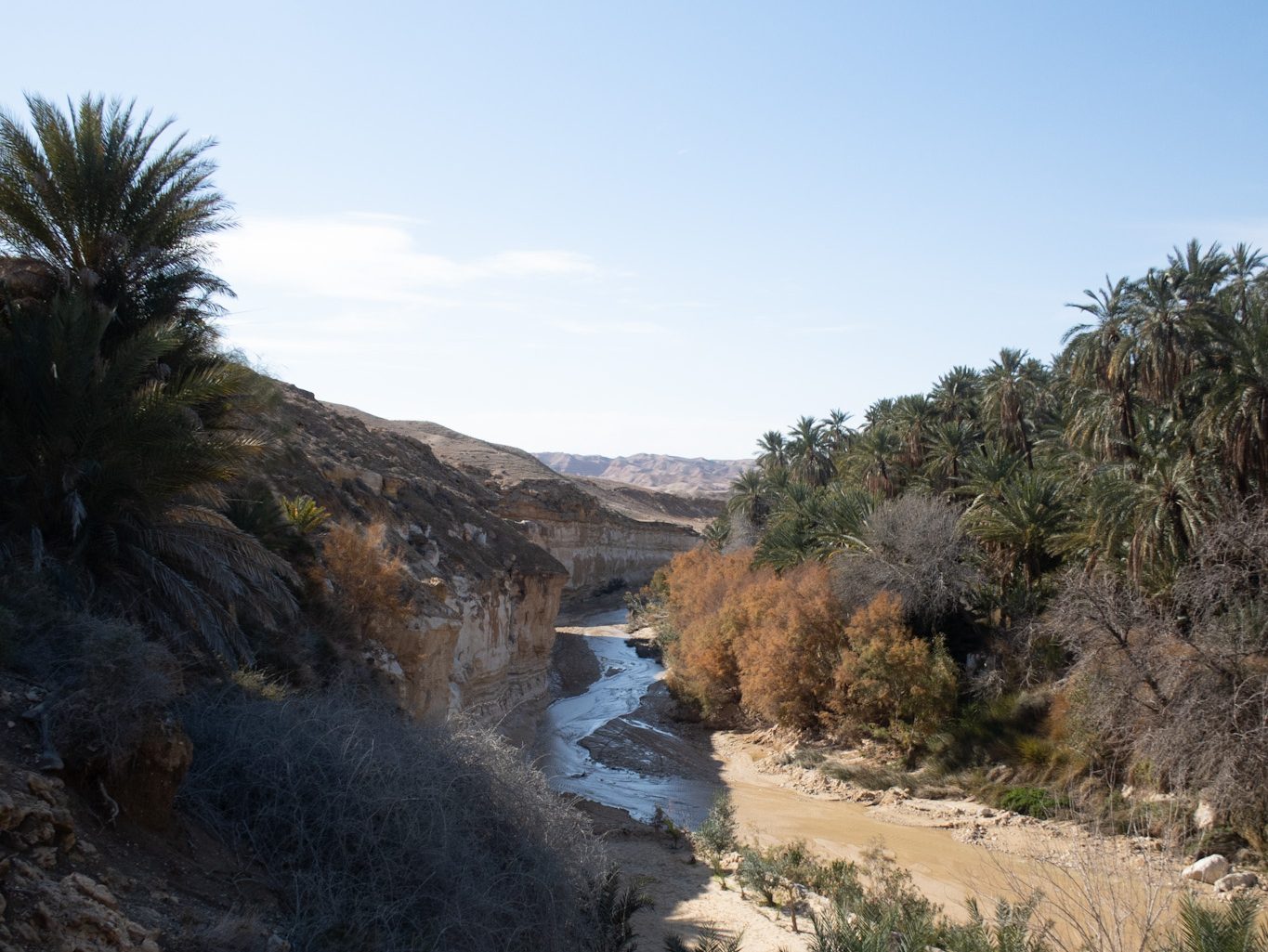
    • Location: Tamaghza is located in Tunisia’s Tozeur Governorate, near the Algerian border. It’s typically visited alongside the neighboring mountain oases of Chebika and Midès as part of the popular “Three Oases Tour.”

    Safety Note for American and Canadian Tourists: You may come across government travel advisories about areas near the Algerian border. Use your best judgment, but know that this region is considered safe and sees a regular flow of tourists. For added reassurance (and to support the local economy), consider booking a local guide through a trusted platform such as WildyNess. They can also assist with accommodations and transportation.

    • How to Get There: Tamaghza is accessible by regular sedan, though a 4×4 offers a more scenic and adventurous route. Public transportation, such as louages (shared taxis), are not a practical option for this area.
    • What to Bring: Sturdy shoes are a must for navigating rocky, uneven terrain. Bring plenty of water, sunscreen, and a hat. The best time to visit is during the cooler months (fall, winter or spring). Basically, try to avoid the summer heat.

    Interested in visiting Tamerza (Tamaghza)?

    Reach out to me! I am happy to help create your dream Tunisia trip itinerary for you. Just comment below or send a note via “Contact Me.”
    , , ,
  • Midès Canyon: A guide to Tunisia’s breathtaking canyon oasis

    Midès Canyon: A guide to Tunisia’s breathtaking canyon oasis


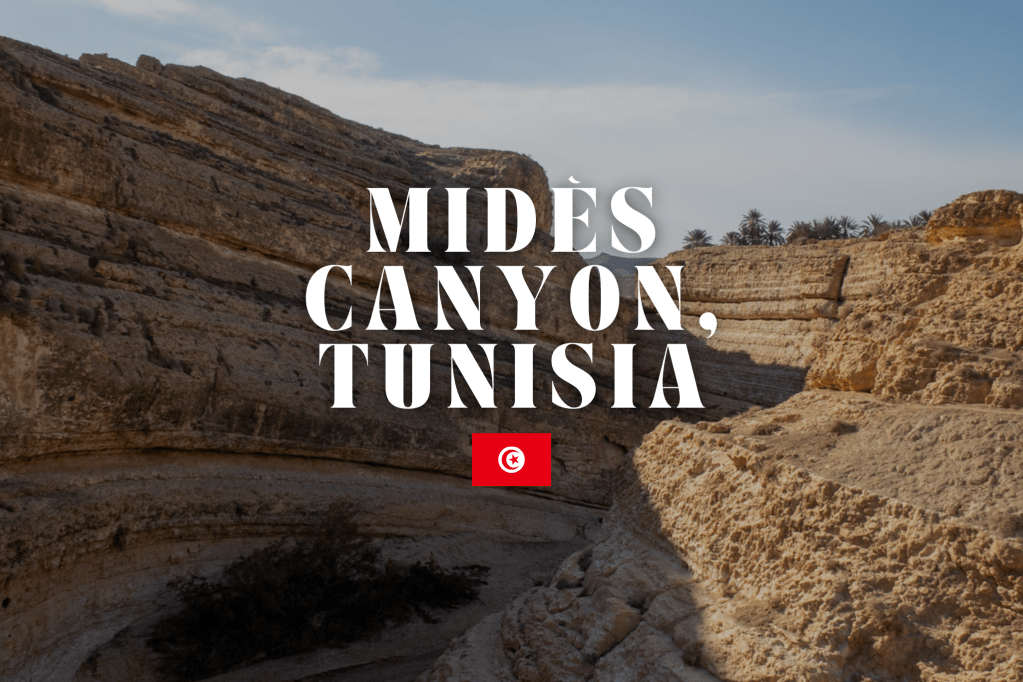
    Midès Canyon is one of Tunisia’s most dramatic natural sites. It’s a rugged, rocky canyon set against the backdrop of a centuries-old village within southern Tunisia, not far from the Algerian border.

    As the most remote of the three mountain oases in southern Tunisia, it’s often the final stop after Chebika and Tamerza (Tamaghza) on the popular Three Oases circuit that usually departs from Tozeur.

    The canyon’s layered cliffs and panoramic views have drawn the attention of not just travelers, but Hollywood, too! It’s so majestic that filmmakers have chosen this spot as a location for movies such as Raiders of the Lost Ark and The English Patient!

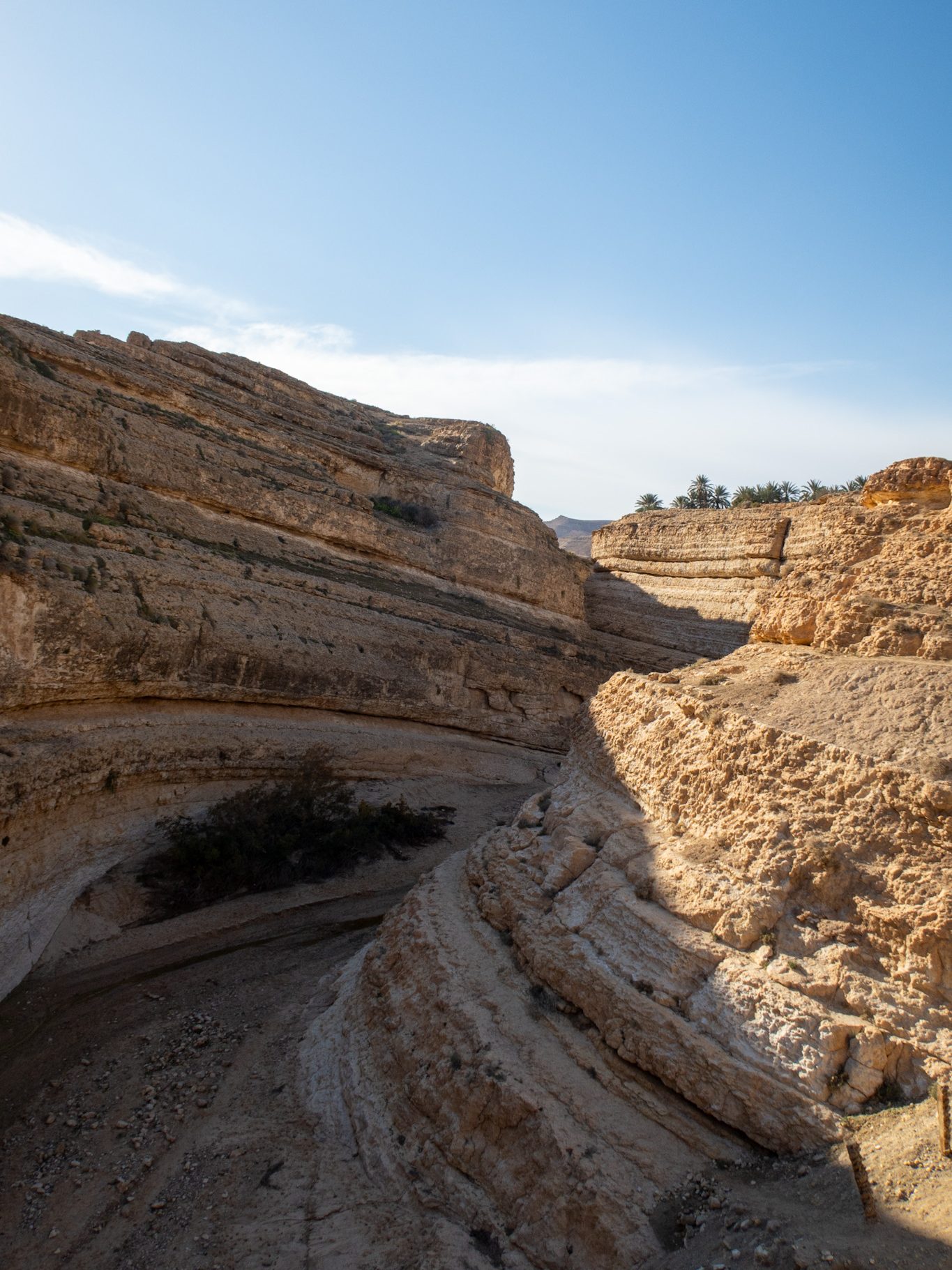
    Mines Canyon, a rocky canyon in Tunisia with layered cliffs under a clear blue sky.
    Why is it called Midès?

    The name Midès likely has Amazigh (Berber) roots, though the exact etymology isn’t well documented. The pronunciation in local Arabic and Amazigh dialects leans toward pronouncing it “Mee-dess.” Some theories suggest the name could stem from an ancient reference used by Amazigh communities who once lived in and around the area.

    You might also see it spelled “Midas,” which could lead to confusion with the Greek myth of King Midas, the one who turned everything he touched into gold. I was admittedly one of those people who thought there was a connection. But the name has no relation, though the canyon cliffs look majestic enough that the association somewhat fits.

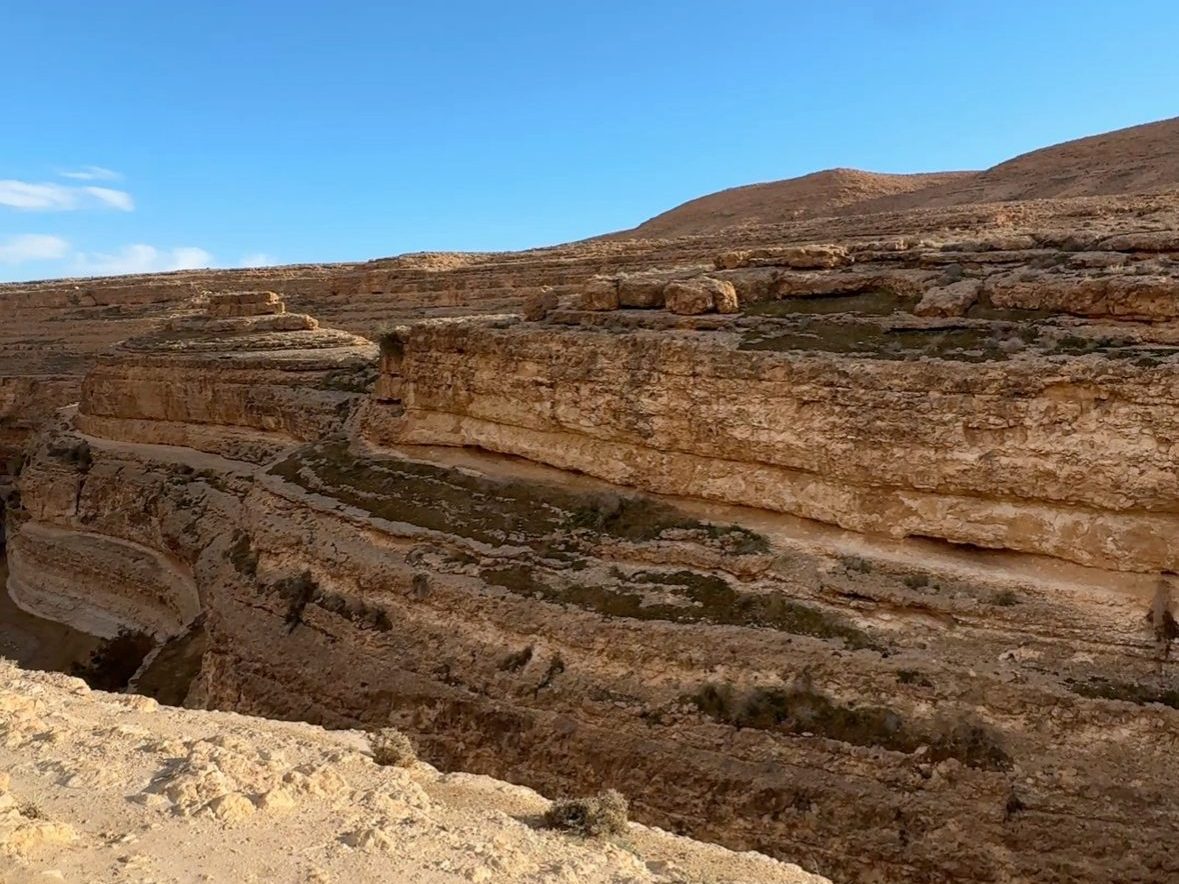
    Panoramic view of layered rocky cliffs under a clear blue sky at Mides Canyon, Tunisia.
    What makes Midès special?

    The defining feature of Midès is its spectacular canyon with its layered cliffs that wind for over 3 kilometers. The rock colors shift from light beige to deep orange throughout the day.

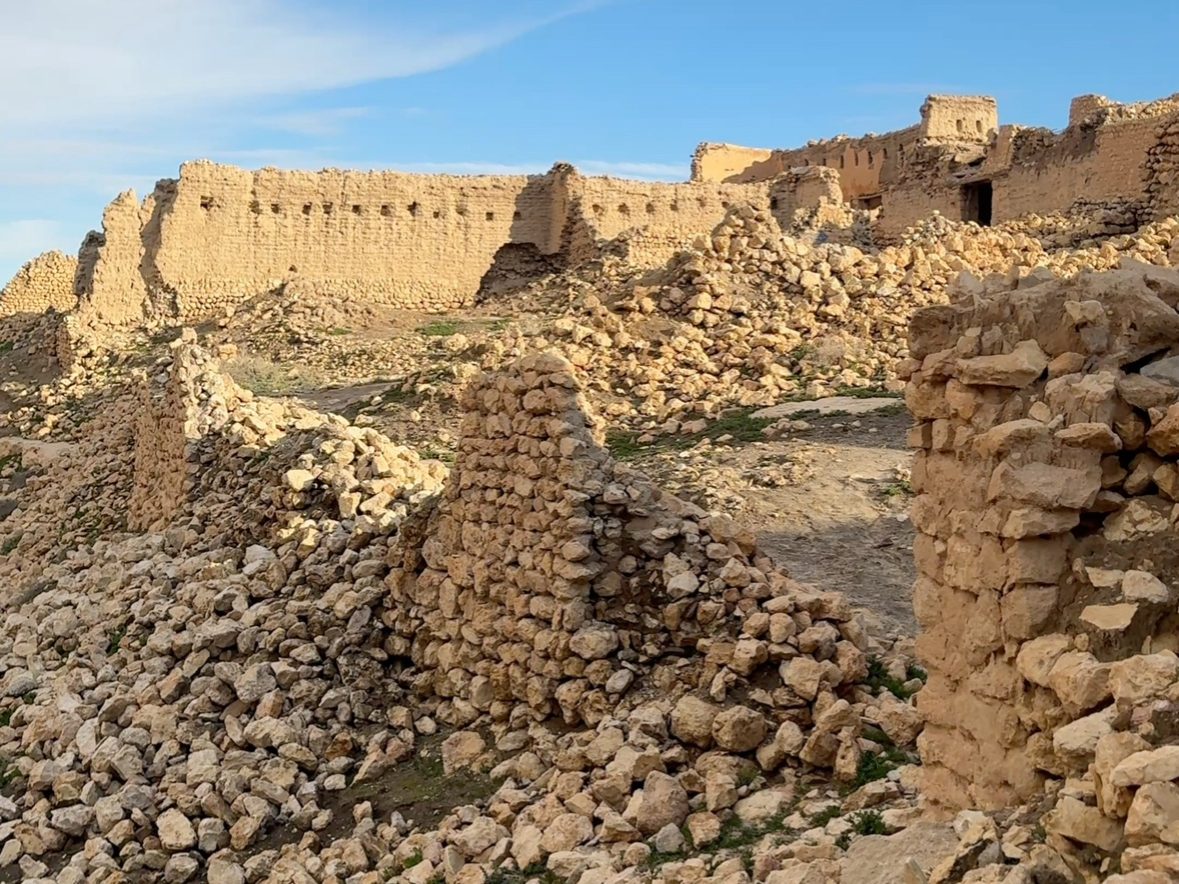
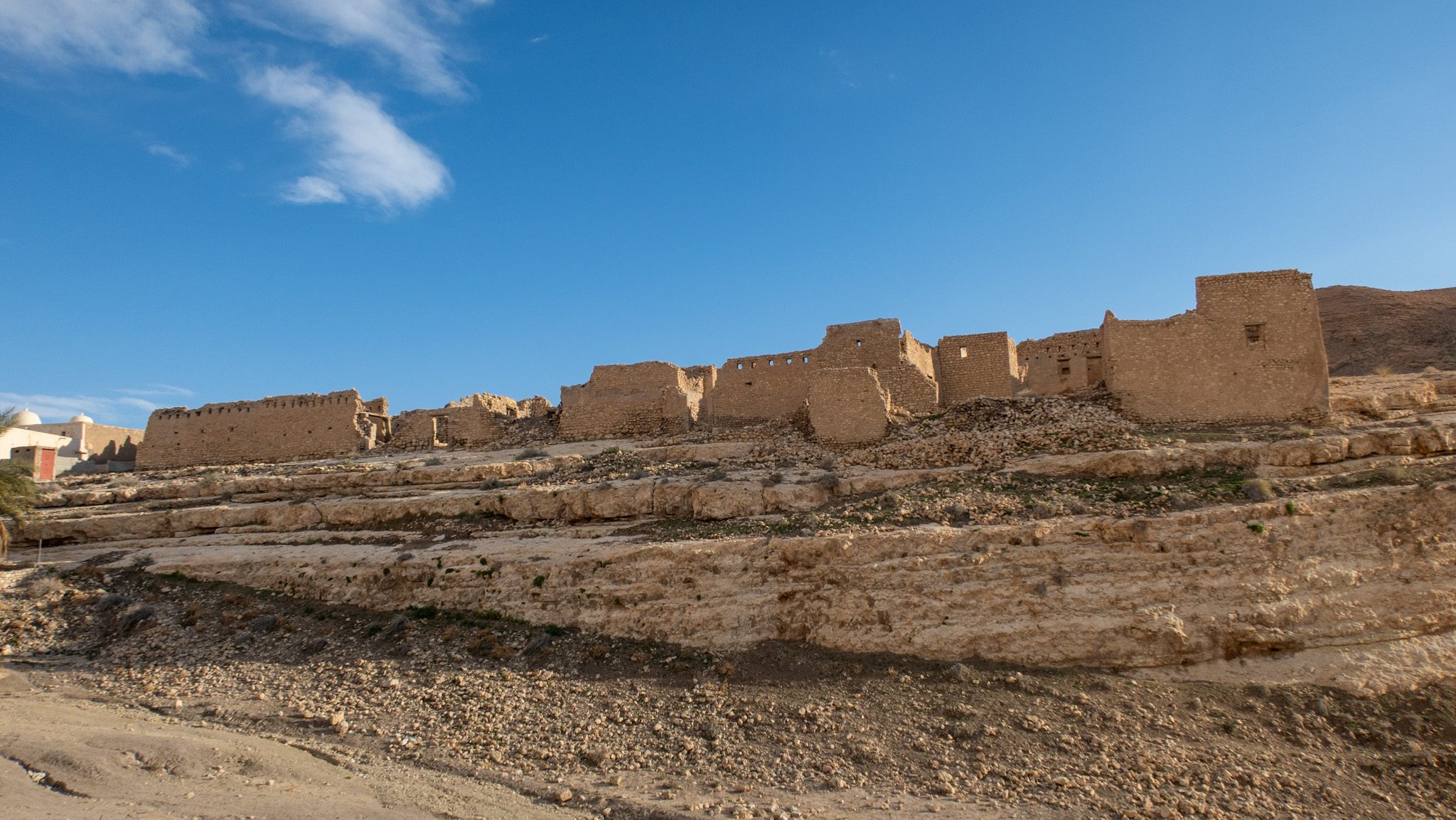
    The residents abandoned the old village of Midès after floods in 1969, and you can still see the remains of the village on the cliffs of the canyon.

    Ruins of ancient buildings within an ancient village in Mides Canyon, Tunisia on a hillside under a blue sky.

    The mix of the ruins and multiple colors of the canyon, as well as the green palm trees in the distance, makes Midès extremely photogenic.

    Know before you go to Midès

    Midès is the most remote of the three main mountain oases (Chebika and Tamaghza), so planning is essential.

    • Location: Midès is in the Tozeur Governorate. It is the final stop for most 4×4 tours of the mountain oases.
    • How to Get There: You can drive with either a regular sedan or with a 4×4. The latter will give you a sturdier experience, but both are fine.
    • Go With a Guide: Booking through a local platform such as WildyNess connects you with regional guides who can take you to all three oases (and more!) These guides offer valuable insights and also help ensure your visit directly supports the local economy. You can also book your transportation and accommodation through them.
    • Safety Note: The United States and Canadian governments advise caution near the Algerian border. While it’s important to stay informed and make the choice that feels right for you, this region is well-traveled by both domestic and international visitors. Traveling with a guide adds an extra layer of reassurance, but you will be safe in this area.

    Interested in visiting Midès?

    Reach out to me! I am happy to help create your dream Tunisia trip itinerary for you. Just comment below or send a note via “Contact Me.”

    , , ,
  • Chebika Oasis: A guide to visiting this mountain oasis in the Tunisian desert

    Chebika Oasis: A guide to visiting this mountain oasis in the Tunisian desert


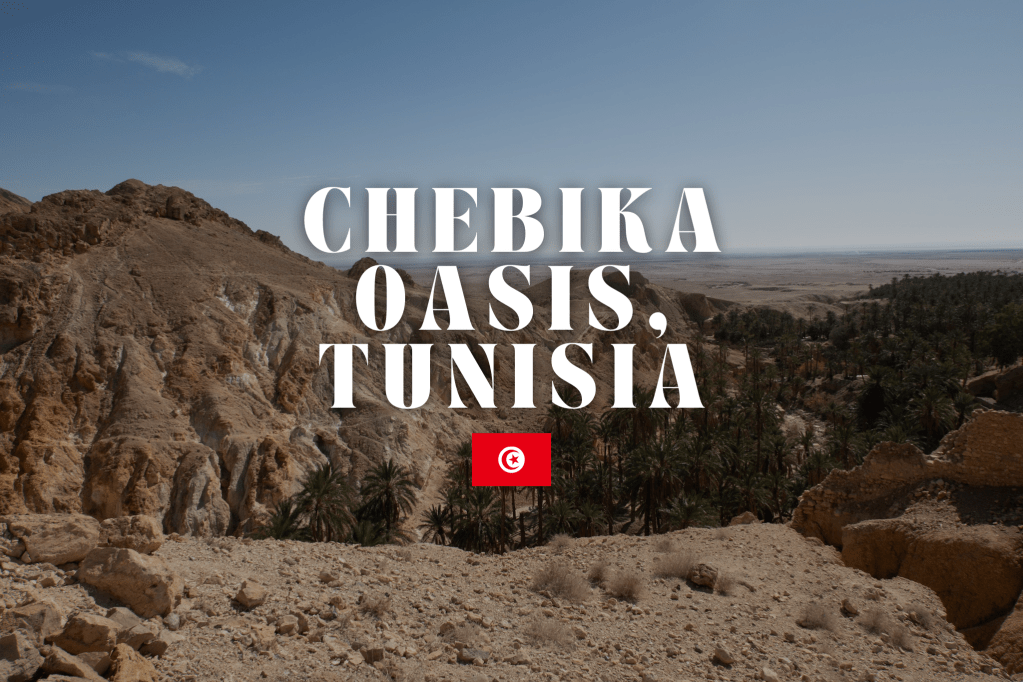
    Chebika is one of the most wonderful hidden gem natural hikes in Tunisia.

    This oasis sits tucked at the base of the Djebel el Negueb mountains and is the site of one of Tunisia’s most beautiful desert oases. Once an ancient Roman outpost and later an Amazigh (Berber) village, Chebika is famous today for the contrast between its barren mountains and the lush green palm grove fed by a natural spring.

    Travelers exploring Tunisia’s desert landscapes often come to Chebika to hike, visit the waterfall, and walk among the ruins of a mountain village. If you’re planning a Tunisia itinerary that includes the Tozeur region or southern Tunisia’s Sahara landscapes, Chebika is a site worth including. Without further ado, let’s learn why!

    Why is it called Chebika?

    The Chebika oasis gets its name from the Tunisian Arabic word meaning “small net.” The name refers to the distinctive way the water flowing in the waterfalls of the oasis creates patterns as it flows down the rocky terrain.

    Chebika also known by the Arabic name “Qasr el-Shams” (Palace of the Sun) due to its sun-drenched location.

    Fun fact: In Tunisian Arabic, the phrase “chbīk?” (شبيك؟) is a casual way of asking “What’s wrong with you?” and sounds a lot like “Chebika”!

    What makes Chebika special?

    Along with Tamazgha (Tamerza) and Midès, Chebika forms part of the famous trio of mountain oases that serve as essential stops on Sahara desert tours departing from Tozeur.

    Chebika holds historical significance. In antiquity, it was a Roman outpost known as Ad Speculum, and was then later a mountain refuge of the Amazigh (Berber) people. Today, you can still see remnants of the ancient settlement located on the hiking path.

    The Chebika oasis also owes its prosperity to a sophisticated irrigation system that keeps an equitable distribution of water to fields. You can observe underground streams and a network of underground channels that supply wells, through which trees are grown in an otherwise completely barren territory.

    What can I see and do in Chebika?

    Exploring Chebika is an active experience that involves walking and hiking.

    Take the main waterfall hike, which is the highlight of your Chebika visit. A loop trail starts at the village, passes through the canyon and waterfall, and climbs up to the ruins of the old village before circling back. The route makes for a short yet refreshing hike.

    Follow the trail through the gorge to reach the spring’s source. The path runs alongside the stream and leads to a waterfall.

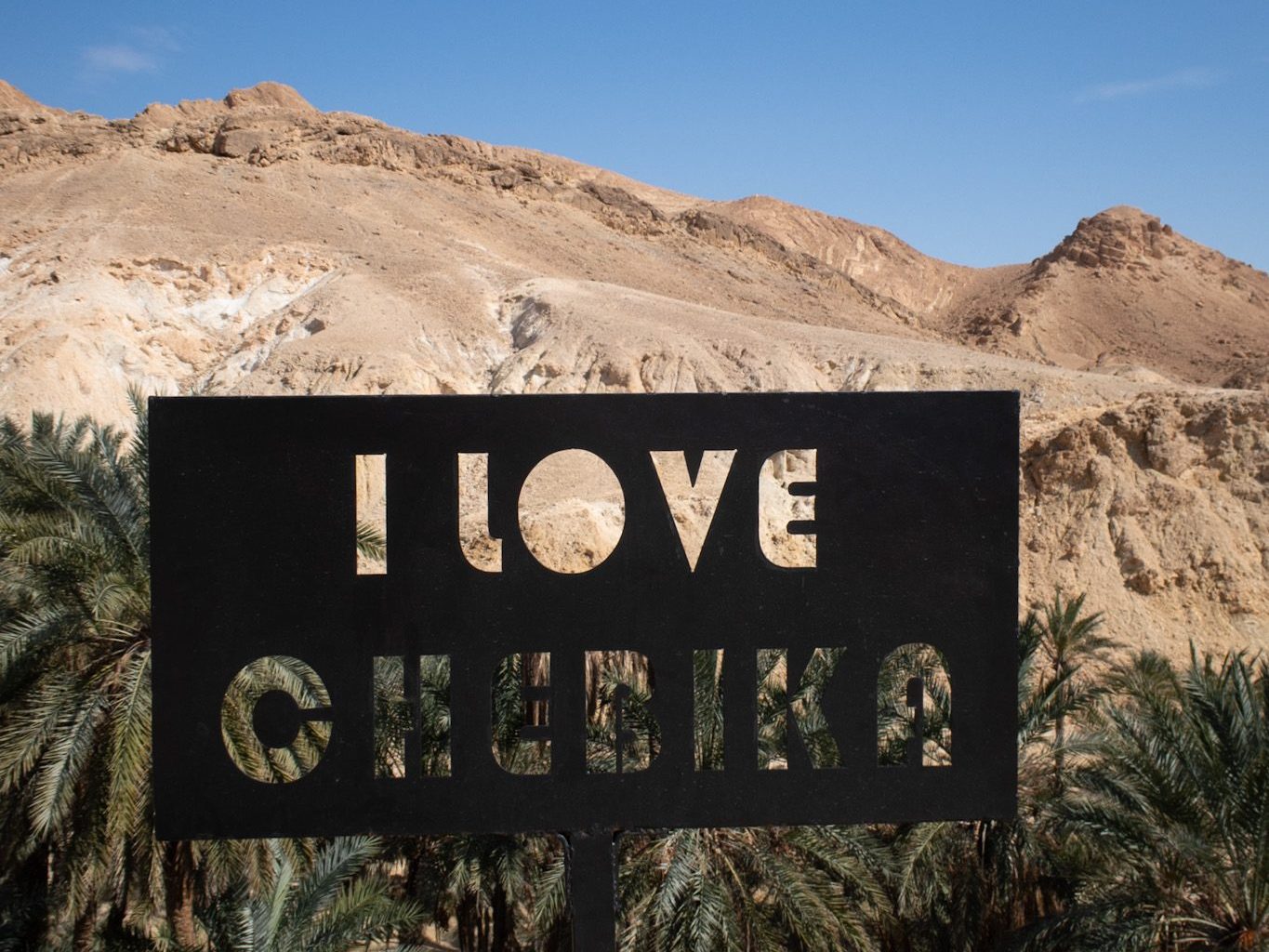
    The contrast between the lush palm groves and the arid desert backdrop is surreal!

    Know before you go to Chebika

    Enjoy this beautiful desert oasis by considering the below.

    Keep in Mind: Locals will likely offer to guide you for a small fee. If you’d like someone to show you around, go for it. However, if you’re just there to hike, you can easily explore the trails on your own.

    Pro tip: You can book a local guide in advance through a platform such as WildyNess (more information below).

    Location: Chebika is located in the Tozeur Governorate of western Tunisia, near the border with Algeria. Travelers often visit it as part of a “Three Oases Tour” that also includes the nearby oases of Tamazgha and Midès.

    A Note for North American Travelers
    U.S. and Canadian government travel advisories have flagged this region due to its border proximity to Algeria. That said, Chebika is a routine stop on desert tours and has a steady flow of both local and international visitors. Use your own discretion, stay updated on official guidance, and consider speaking with local guides or tour operators on the ground. Many have worked in this area for years without issue
    .

    Consider booking a tour through WildyNess, a trusted local platform that works directly with expert guides based in the region who can offer perspective beyond what you’ll find in official advisories. WildyNess specializes in responsible, small-group travel and offers routes that include Chebika, Tamazgha, and Midès, with options for hiking, photography, and cultural insight.

    In practice, Chebika is calm, well-traveled, and far more accessible than the warnings might suggest. As with any travel near a border zone, it’s smart to avoid going off-grid or venturing too far without a guide.

    How to Get There: To properly explore the mountain oases, it would be helpful to have a 4×4 vehicle, but a normal sedan will work just as fine as well. You can arrange your experience and your transportation through local platforms such as WildyNess.


    Interested in visiting Chebika?

    Reach out to me! I am happy to help create your dream Tunisia trip itinerary for you. Just comment below or send a note via “Contact Me.”


    , , ,